
Designing for Real Lowcountry Living: Salt, Sun & Humidity
The best coastal homes are not simply inspired by where they are. They are designed for it.
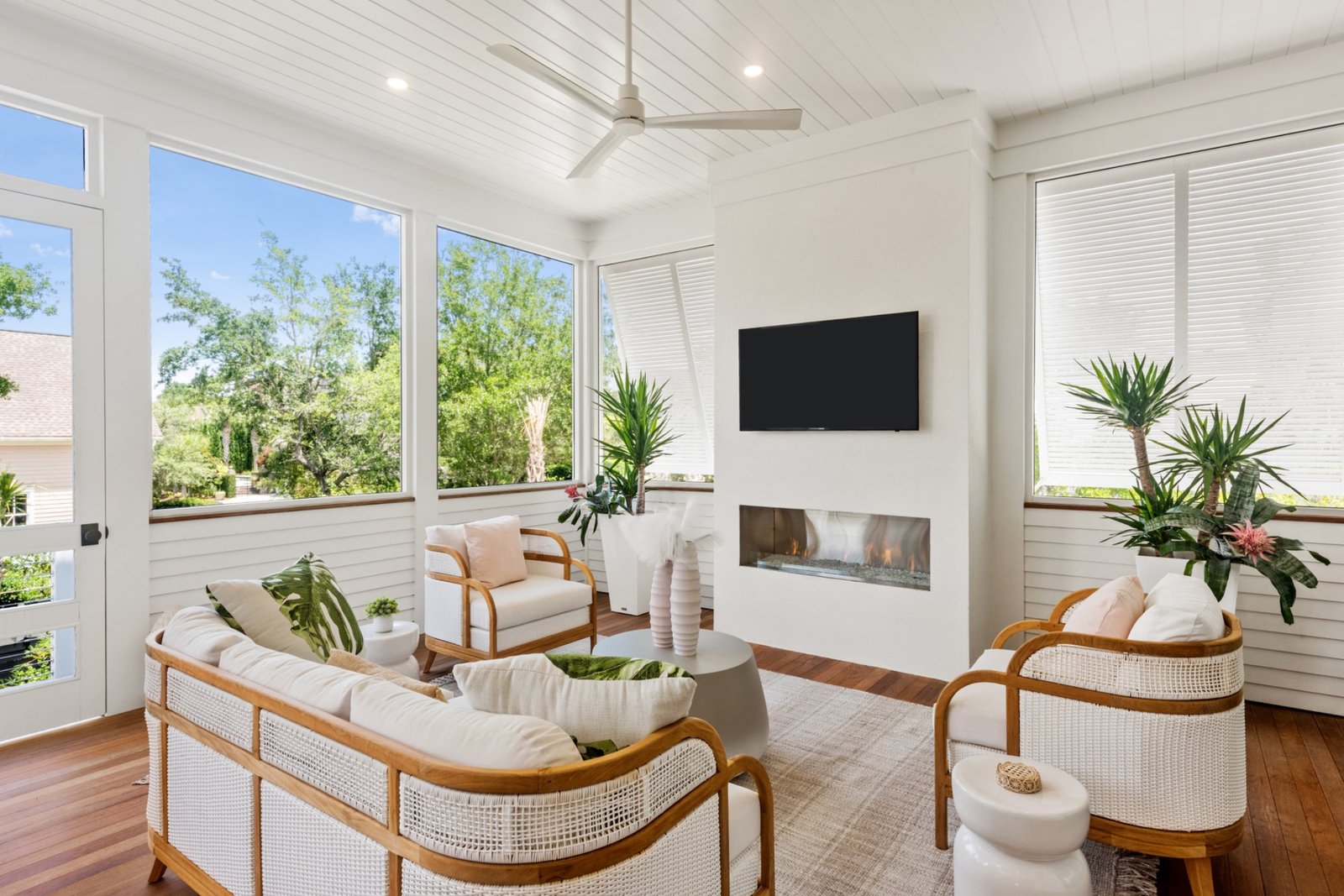
Photography: Tripp Smith
Living in the Lowcountry is pretty hard to beat. I moved from Connecticut to Charleston more than a decade ago, and over the years I’ve learned firsthand that the things that make coastal living so beautiful are also the things that can be hardest on a home.
The marsh views, warm weather, salty air, porches, and that easy connection between indoors and out are a huge part of why we love designing homes here. But living in this climate has also taught us that beautiful design needs to work with the Lowcountry and not against it.
Salt, intense sun, and Charleston humidity can be tough on a home, and designing for them requires a little more thought than simply choosing what looks beautiful. For us, livable luxury means creating a home that feels elevated and works beautifully for the place you actually live. Here are a few things we think about when designing for real Lowcountry life.
Salt Air Changes the Conversation
Being near the water means salt is simply part of the environment. And while we love everything about our coastal lifestyle, salty air can be especially hard on certain metals and finishes. That means we think carefully about what we specify, particularly for exterior spaces, porches, outdoor kitchens, and areas that transition between inside and out. Beautiful hardware or lighting is only a good choice if it is also appropriate for the environment it is going into.
We look for materials and finishes designed to withstand coastal conditions and pay attention to the details that are easy to overlook at first, because replacing something that has prematurely corroded is certainly less fun than choosing it correctly the first time. It is a perfect example of why good design goes beyond aesthetics.
Designing With the Charleston Sun
We love a light-filled room. But Charleston sunshine is strong, and too much of a good thing can take a toll on fabrics, rugs, furnishings, and finishes over time. That does not mean avoiding natural light. Quite the opposite. It means designing with it.
Window treatments are one of our favorite ways to soften sunlight while adding another layer to a room. We also consider fabric durability, furniture placement, and how materials will age in spaces that receive hours of direct sun. Even something as simple as where a favorite chair sits can make a difference. We want your home to feel relaxed and lived in, but thoughtful choices upfront can help the things you love stay beautiful much longer.
And Then There Is the Humidity…
If you live in Charleston, we probably do not need to explain this one. Humidity is part of life here. It can affect everything from wood and cabinetry to fabrics, rugs, wallpaper, and even how a home feels day to day. That is why material selection and proper installation matter so much.
Natural materials are a huge part of our design vocabulary, but we think carefully about where and how we use them. We work closely with experienced local builders, installers, and trades who understand this climate and know how materials behave here over time. Sometimes the most important design decisions are the ones you never see. Choosing the right material, preparing a surface correctly, allowing for movement. Knowing when something beautiful on a design board may not be the smartest choice for a particular application. Those details may not be the glamorous part of design, but they are what help a home continue to look and function beautifully long after installation day.
Beautiful, But Built for Real Life
Designing a home in the Lowcountry should celebrate everything that makes living here special, not fight against it. We want homes that open up to the outdoors, welcome sandy feet and wet swimsuits, handle sunny afternoons, and still feel polished enough for a dinner party that evening.
The best coastal homes are not simply inspired by where they are. They are designed for it.
— Andrea Dussault, Founder & Principal Designer